How to Slip Stitch in Crochet for Beginners
Learning how to slip stitch in crochet is important because this small stitch is used for joining rounds, moving the working yarn, finishing edges, and creating decorative texture. It is usually abbreviated sl st.
What Is a Slip Stitch?
A slip stitch is the shortest basic crochet stitch. It does not build much height. Instead, it connects one point of the fabric to another with a compact loop. You can confirm common abbreviations with the Craft Yarn Council.
How to Make a Slip Stitch
- Insert the hook into the stitch or space indicated by your pattern.
- Yarn over.
- Pull the yarn through the stitch and directly through the loop already on the hook.
That single pull-through completes the stitch.
Use 1: Joining a Round
Many crochet projects are worked in rounds. At the end of a round, a pattern may tell you to slip stitch into the first stitch or turning chain. Insert the hook into the specified point and complete the slip stitch without adding extra height.
Use 2: Moving Across Stitches
Sometimes a pattern asks you to move the working loop to a new position without creating a tall row. Slip stitch across the required stitches until the hook reaches the new starting point.
Use 3: Simple Edging
A round of slip stitch can create a subtle, firm edge. Keep your tension relaxed so the edge does not pull the fabric inward. For a more visible border, see our simple crochet border guide.
Use 4: Surface Crochet
Slip stitch can also be worked across the surface of finished fabric to add lines or simple decorative details. This technique is often called surface crochet.
Common Beginner Mistakes
Making the stitch too tight
Slip stitches naturally sit close to the fabric. If you pull the yarn tightly after every stitch, the next insertion point can become difficult to enter.
Adding an extra yarn over
A slip stitch needs one yarn over and one continuous pull-through. Do not stop with two loops on the hook as you would for single crochet.
Accidentally counting a join as a full stitch
Whether a joining slip stitch counts toward a round depends on the pattern. Usually it is only a join, but always follow the pattern’s stated stitch count.
Practice Exercise
Make a short chain, then slip stitch into each chain across. Notice how the fabric stays very low compared with single crochet. Next, make a small ring and practice joining the first and last stitch with a slip stitch.
Related Beginner Skills
Review chain stitch, single crochet, and how to read a crochet pattern to build a stronger foundation.
How to Slip Stitch in Crochet FAQs
Is a slip stitch the same as single crochet?
No. A slip stitch pulls the working yarn through the stitch and the loop already on the hook in one motion. Single crochet creates more height because it leaves two loops on the hook before the final yarn over and pull-through. The two stitches therefore behave differently in fabric.
Why are my slip stitches hard to work into?
They are probably too tight. Slip stitches naturally sit close to the surface, so pulling the working yarn firmly after every stitch can make the next insertion point difficult to enter. Keep the loop relaxed on the wider part of the hook and avoid tightening after each pull-through.
Can I make an entire row with slip stitch?
Yes. Slip stitch fabric can be dense, stretchy, and low in height, although it grows more slowly than taller stitches. It is also commonly used for joins, edging, or surface details. If a pattern asks you to work into slip stitches on the next row, use relaxed tension so the loops remain accessible.
Final Thoughts
The slip stitch is small but extremely useful. Focus on keeping it loose enough to work into, and pay attention to whether your pattern uses it as a join, a movement stitch, or part of the design.
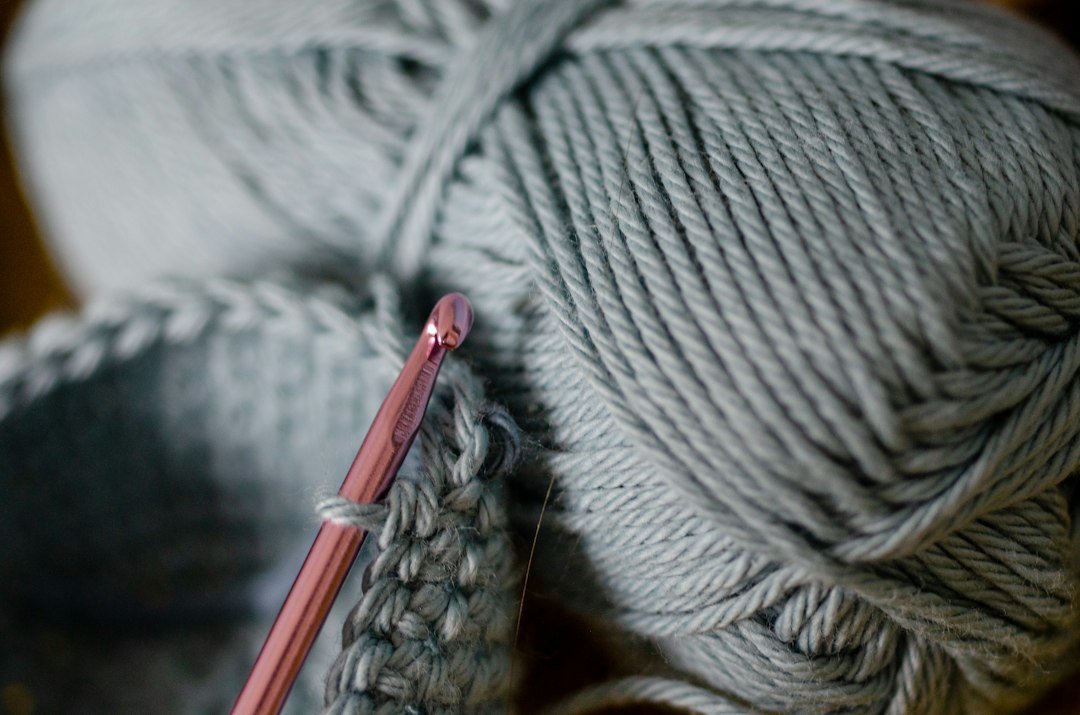
Photo: Alex Preusser via Unsplash.