How to Choose Yarn for Crochet Beginners
Choosing yarn can feel confusing when you are new to crochet. Shelves are filled with different fibers, thicknesses, textures, colors, and labels, and it is not always obvious which one is easiest to work with. This guide explains how to choose yarn for crochet beginners in a practical way so you can start with materials that are easier to see, hold, and control.
Start With Yarn Weight
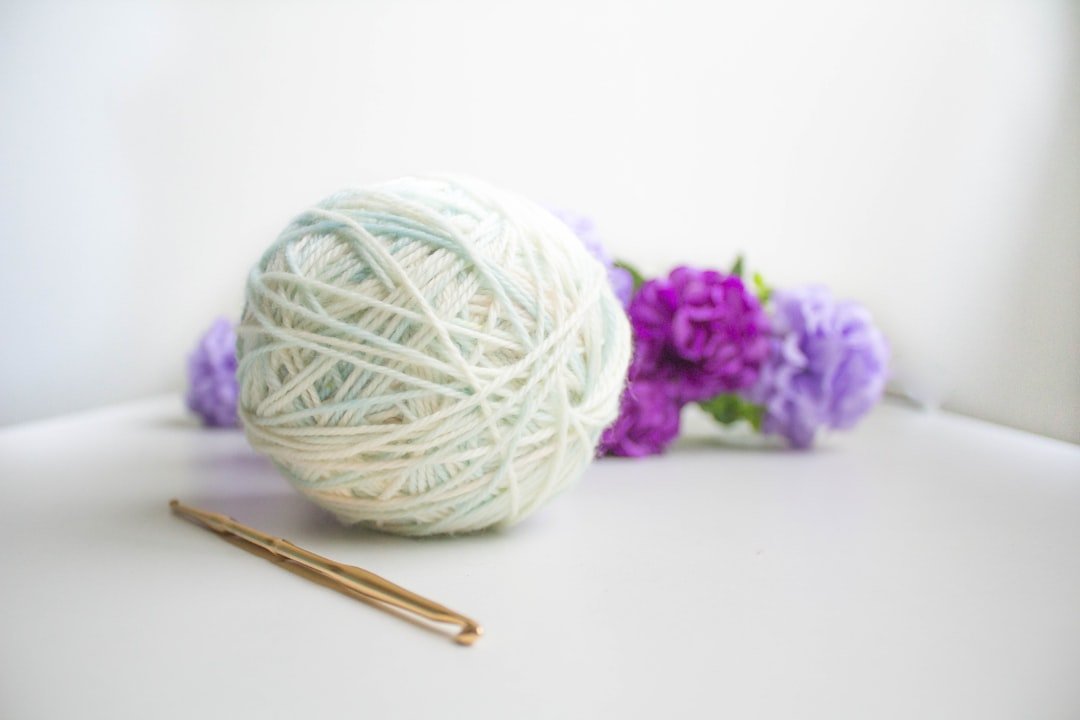
Yarn weight describes the thickness of the yarn, not how heavy the ball feels in your hand. For many first projects, a medium-weight yarn is a comfortable place to start because the stitches are usually easier to see than they are with very fine yarn.
The Craft Yarn Council uses a standard yarn-weight system from 0 to 7. You can review the official categories and suggested hook ranges in the Craft Yarn Council yarn-weight guide.
Choose a Smooth Yarn First
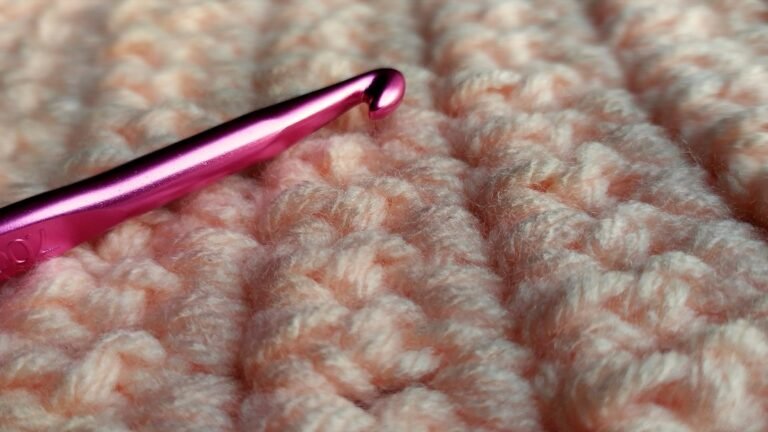
Highly textured, fuzzy, eyelash, or novelty yarns can hide the shape of your stitches. That makes it harder to identify the top loops of a stitch or notice when you accidentally skip one. A smoother yarn gives you a clearer view of what each stitch looks like.
Once you are comfortable with basic stitches, textured yarns can be fun to experiment with. At the beginning, visibility is more useful than novelty.
Consider the Fiber
Common yarn fibers include acrylic, cotton, wool, and blends. Each behaves differently.
- Acrylic: widely available, often affordable, and available in many colors.
- Cotton: has little stretch and gives clear stitch definition, which can be helpful for dishcloths and home projects.
- Wool: can feel springier and warmer, but some people find certain wool fibers scratchy.
- Blends: combine properties from more than one fiber and can offer a balance of softness, durability, and drape.
If you want a practical first cotton project, see our easy crochet dishcloth pattern.
Read the Yarn Label
The yarn label can tell you the fiber content, yarn weight, amount of yarn in the skein, care instructions, dye-lot information, and a suggested hook-size range. These details are useful when you are comparing two yarns that look similar.
The suggested hook size on the label is a starting point rather than an absolute rule. A pattern may recommend a different hook to create a firmer or looser fabric.
Use a Light or Medium Color While Learning
Very dark yarn can make stitch anatomy harder to see, especially in low light. A light or medium solid color usually makes it easier to identify chains, stitch tops, and mistakes. Multicolor yarn can be attractive, but strong color changes may distract from the structure of the stitches while you are learning.
Match Yarn to the Project
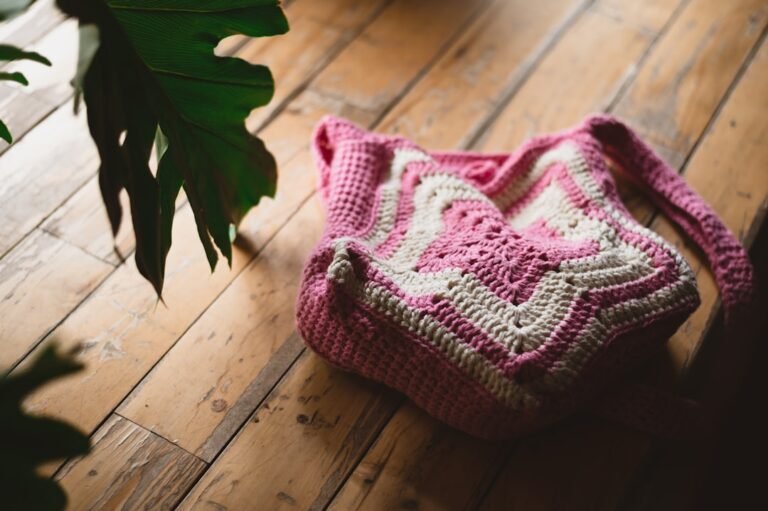
The best yarn depends on what you are making. Cotton is commonly used for washable home items. Softer yarns may be preferred for scarves, hats, and accessories. A structured bag may need a yarn that holds its shape better than a drapey scarf yarn.
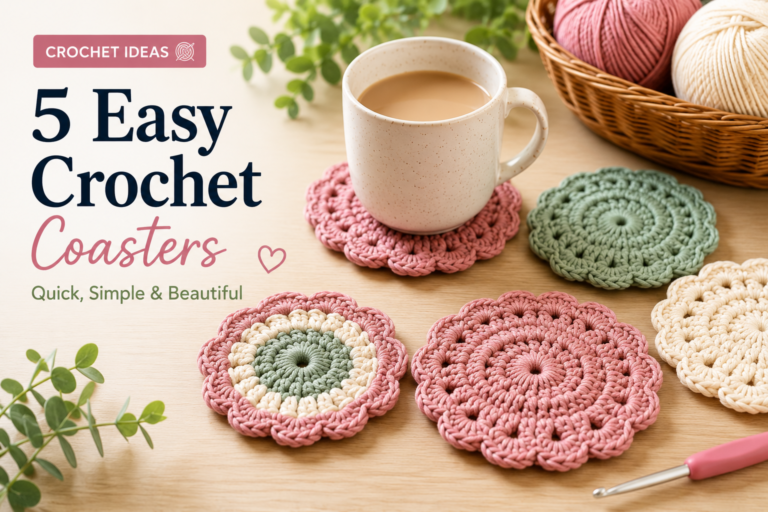
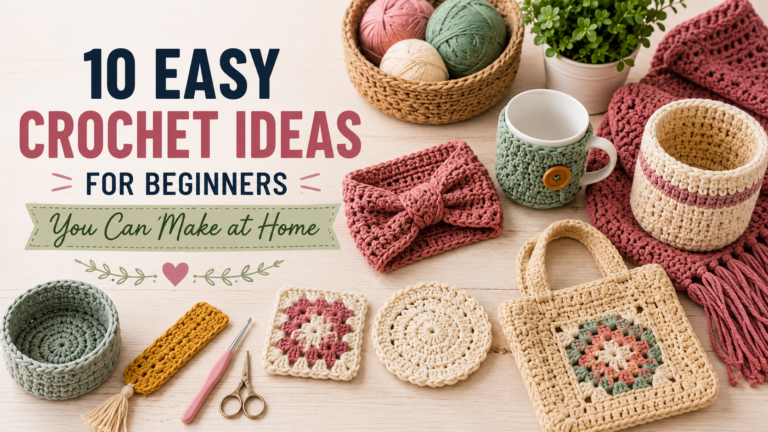
If you are unsure what to make next, browse these easy crochet ideas for beginners and then choose yarn based on the finished item.
Check the Pattern Before Buying
If you are following a pattern, read the materials section first. Look for the recommended yarn weight, fiber, hook size, and gauge information. Substituting yarn is possible, but yarns in the same weight category are not always identical in thickness, stretch, or drape.
For projects where size matters, making a gauge swatch can help you see whether your yarn and hook combination matches the pattern. Our crochet hook sizes guide explains how hook size can change the fabric.
How Much Yarn Should You Buy?
The amount depends on the project, yarn thickness, stitch pattern, gauge, and finished size. Avoid guessing from a photo alone. Check the pattern yardage or meterage when available, then compare it with the length listed on the yarn label.
If the project uses several balls from the same color family, buying them together can also reduce the chance of noticeable dye-lot variation.
Beginner Yarn Checklist
- Choose a smooth yarn with visible stitch definition.
- Start with a light or medium solid color.
- Check the yarn-weight number on the label.
- Read the fiber content and care instructions.
- Compare the label with your pattern requirements.
- Use the recommended hook as a starting point.
- Buy enough yarn for the complete project when possible.
Final Thoughts
Learning how to choose yarn for crochet beginners becomes easier once you focus on a few practical details: thickness, texture, fiber, color, and the information printed on the label. You do not need the most expensive yarn to learn well. A simple, smooth yarn that lets you clearly see your stitches is often the most useful choice.
If you are still learning the basics, continue with our complete beginner crochet guide and our guide on how to read a crochet pattern.
Photo: Karen Penroz via Unsplash.