Easy Snickerdoodle Cookies – Soft Cinnamon Sugar Cookies
These easy snickerdoodle cookies are rolled in cinnamon sugar before baking, giving them a lightly crisp coating and a soft center. Cream of tartar adds the familiar tang associated with classic snickerdoodles.
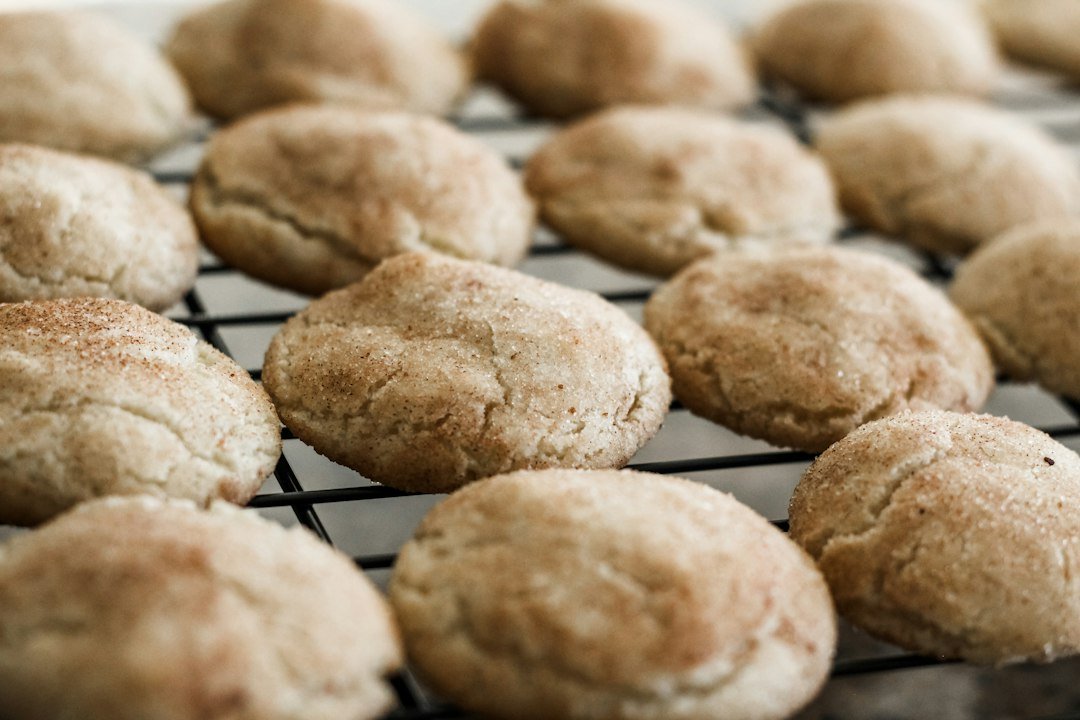
Ingredients
- 1/2 cup unsalted butter, softened
- 3/4 cup granulated sugar
- 1 large egg
- 1 teaspoon vanilla extract
- 1 1/3 cups all-purpose flour
- 1 teaspoon cream of tartar
- 1/2 teaspoon baking soda
- 1/4 teaspoon salt
For the Cinnamon Sugar
- 3 tablespoons granulated sugar
- 1 1/2 teaspoons ground cinnamon
How to Make Easy Snickerdoodle Cookies
- Heat the oven to 375°F (190°C). Line a baking sheet with parchment paper.
- Beat the softened butter and 3/4 cup sugar until smooth and slightly lighter in texture.
- Beat in the egg and vanilla until combined.
- In a separate bowl, whisk together flour, cream of tartar, baking soda, and salt.
- Add the dry ingredients to the butter mixture and mix only until a soft dough forms.
- Mix the 3 tablespoons sugar and cinnamon in a small bowl.
- Scoop small portions of dough and roll them gently into balls.
- Roll each ball in cinnamon sugar and place it on the prepared baking sheet, leaving space between cookies.
- Bake for about 8 to 10 minutes, until the edges are set but the centers still look soft.
- Cool on the baking sheet for several minutes before moving the cookies to a rack.
Why Use Cream of Tartar?
Cream of tartar is commonly paired with baking soda in classic snickerdoodles and contributes both acidity and characteristic flavor. King Arthur Baking’s snickerdoodle reference recipe also uses cream of tartar as part of the traditional formula.
How to Keep Snickerdoodles Soft
Remove the cookies while the centers still look slightly underdone. They continue setting on the hot baking sheet. Baking until the entire surface looks dry can produce a firmer, crunchier cookie.
Should the Dough Be Chilled?
If the dough feels very soft or your kitchen is warm, chill it for 15 to 30 minutes before rolling. If the dough is already easy to shape and holds a ball without spreading in your hand, you can bake it without a long chill.
Easy Variations
Extra cinnamon coating
Increase the cinnamon slightly in the rolling sugar for a stronger spice flavor.
Smaller cookies
Use smaller dough portions and begin checking the oven earlier because small cookies bake faster.
Holiday spice variation
Add a small pinch of nutmeg to the cinnamon sugar for a warmer seasonal flavor.
Common Cookie Problems
The cookies spread too much
The butter may be too warm. Chill the dough briefly before baking the next tray.
The cookies do not spread enough
Too much flour may have been added. Spoon flour into the measuring cup and level it instead of packing it down.
The cookies are dry
Check the baking time. Snickerdoodles continue to firm while cooling, so they do not need to look completely set in the center when they leave the oven.
Storage
Cool the cookies completely, then store them in a covered container. Keep layers separated with parchment paper if the cookies are especially soft.
More Easy Cookies and Baking
Try our chocolate chip cookies, oatmeal cookies, or cinnamon sugar muffins.
How to Get Consistent Snickerdoodles
For the most even batch, portion the dough with the same scoop each time and roll each piece into a smooth ball before coating it in cinnamon sugar. A medium cookie scoop usually gives cookies that bake at a similar rate, which makes it easier to judge doneness without some cookies drying out while others remain underbaked.
If your kitchen is warm and the dough feels very soft, chill it for 20–30 minutes. The goal is not to make the dough hard; it should simply be firm enough to hold its shape when rolled.
Why Cream of Tartar Matters
Traditional snickerdoodles use cream of tartar because it contributes the familiar slight tang and helps create the characteristic texture. If you substitute a different leavening combination, the cookies may still be good, but the flavor and spread can change.
How to Judge Doneness
Snickerdoodles are easy to overbake because they continue to set after leaving the oven. Look for edges that appear set while the centers still look slightly soft. Let the cookies rest on the baking sheet for several minutes before transferring them to a rack.
Make-Ahead Tip
You can portion the dough into balls, freeze them on a tray, and then transfer them to a freezer-safe container. When ready to bake, let the dough soften just enough for the cinnamon-sugar coating to stick, then bake, adding a little extra time if needed.
What Cream of Tartar Changes
Traditional snickerdoodles often use cream of tartar for their characteristic tang and to work with baking soda. If you replace that leavening system with a different one, the flavor, spread, and texture can change, so treat it as a recipe variation rather than a one-for-one swap.
Bake One Test Cookie First
If the dough feels very soft or your kitchen is warm, bake a single test cookie before loading the full tray. If it spreads too far, chill the dough briefly; if it barely spreads, let the dough warm slightly before the next tray. This simple test lets you adjust for butter temperature and your particular baking sheet without changing the whole batch.
Use the First Cookie to Tune the Batch
Snickerdoodles are simple when the butter is soft but not melted, the dough is mixed gently, and the cookies are removed before the centers become dry. The cinnamon-sugar coating provides most of the visible texture and flavor.
Photo: Jessica Johnston via Unsplash.