Easy Chicken Fajita Skillet – 30-Minute Dinner
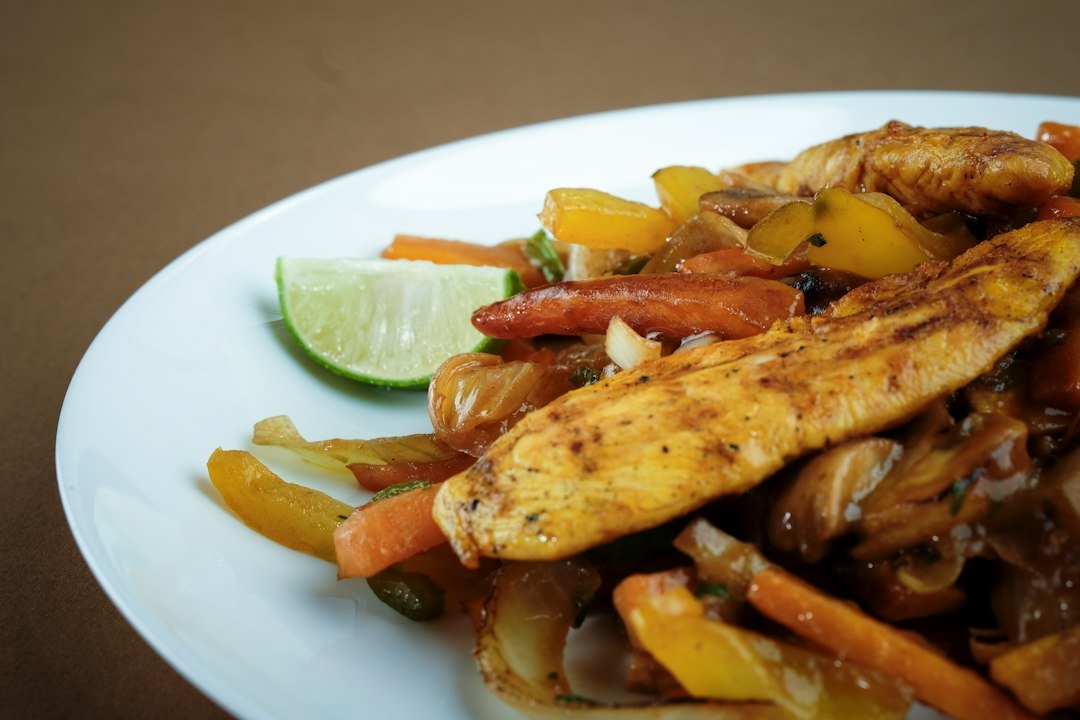
This easy chicken fajita skillet combines sliced chicken, bell peppers, onion, and simple spices in one pan. Cutting the ingredients into thin strips helps everything cook quickly, making it a practical weeknight dinner.
Ingredients
- 1 1/4 pounds boneless, skinless chicken breasts or thighs, sliced into thin strips
- 2 bell peppers, sliced
- 1 medium onion, sliced
- 2 tablespoons olive oil, divided
- 1 teaspoon chili powder
- 1 teaspoon ground cumin
- 1/2 teaspoon smoked paprika
- 1/2 teaspoon garlic powder
- 1/2 teaspoon salt, or to taste
- 1/4 teaspoon black pepper
- Juice of 1/2 lime
- Optional: chopped cilantro for serving
How to Make an Easy Chicken Fajita Skillet
- Pat the chicken dry and slice it into thin, similar-size strips.
- Mix chili powder, cumin, smoked paprika, garlic powder, salt, and black pepper.
- Toss the chicken with half of the seasoning mixture.
- Heat 1 tablespoon olive oil in a large skillet over medium-high heat.
- Add the chicken in a single layer. Cook, stirring occasionally, until browned and cooked through. Transfer to a clean plate.
- Add the remaining oil, peppers, onion, and the rest of the seasoning.
- Cook until the vegetables are tender-crisp and lightly browned.
- Return the chicken to the skillet, toss everything together, and heat briefly.
- Remove from the heat and add lime juice. Serve immediately.
Chicken Safety
Chicken should reach a minimum internal temperature of 165°F (73.9°C) when measured with a food thermometer. See the USDA safe minimum internal temperature chart for current guidance.
How to Keep the Chicken Tender
Slice the chicken evenly so the pieces finish cooking at about the same time. Avoid crowding the skillet, because too much moisture can cause the chicken to steam instead of brown. If your skillet is small, cook the chicken in two batches.
How Soft Should the Peppers Be?
For fajita-style texture, cook the peppers and onion until they are tender but still have a little bite. If you prefer softer vegetables, lower the heat slightly and cook them a few minutes longer before returning the chicken.
Easy Variations
Spicier fajitas
Add cayenne pepper or red pepper flakes to the seasoning mixture.
Milder fajitas
Use sweet paprika instead of smoked paprika and reduce the chili powder.
Add more vegetables
Sliced mushrooms or zucchini can be added with the peppers, but avoid overfilling the pan.
What to Serve With Chicken Fajitas
Serve with warm tortillas, rice, avocado, salsa, sour cream, shredded cheese, or a simple salad. For more weeknight meals, see our chicken quesadillas, vegetable fried rice, or sheet pan chicken and vegetables.
Storage and Reheating
Cool leftovers promptly and refrigerate them in a covered container. Reheat only the portion you plan to eat and make sure the chicken is hot throughout.
Common Problems
The skillet is watery
The pan may be overcrowded. Cook in batches or let excess moisture evaporate before combining the ingredients.
The chicken is dry
Thin strips cook quickly. Check doneness with a thermometer rather than continuing to cook simply for more browning.
The vegetables burn before softening
Lower the heat slightly and stir more often. A tablespoon of water can help loosen browned bits if the pan becomes too dry.
How to Keep Chicken and Vegetables Cooking Evenly
Cut the chicken into similar-size strips so the pieces finish at about the same time. Slice the peppers and onion slightly thicker than the chicken because vegetables soften faster than raw chicken cooks. Avoid crowding the skillet; if the pan is too full, the ingredients steam instead of browning.
Food-Safety Check
Chicken should reach an internal temperature of 165°F (74°C) at the thickest part. A quick-read thermometer is more reliable than judging only by color. Wash hands, utensils, and surfaces that touched raw chicken before using them for cooked food.
How to Prevent Watery Fajitas
Use a wide skillet over medium-high heat and let excess moisture evaporate before adding the final lime juice. If using frozen peppers, thaw and drain them well first. Adding salt only after the chicken begins to brown can also help reduce early moisture release.
Meal-Prep and Leftover Ideas
Cooked fajita filling can be refrigerated in a sealed container for up to 3–4 days. Reheat only the portion you need, then use leftovers in tortillas, rice bowls, salads, or quesadillas. Store tortillas and toppings separately so they do not become soggy.
Slice for Fast, Even Cooking
Cut the chicken and peppers into pieces of similar thickness so they finish at roughly the same time. Thin strips cook quickly, but pieces that vary widely in size can leave some chicken dry while thicker pieces are still finishing. Keep the skillet hot enough to brown the ingredients, and cook in two batches if the pan is crowded.
Food-Safety Check Before Serving
Use a food thermometer on the thickest pieces of chicken and cook them to 165°F (74°C). Refrigerate leftovers promptly; general guidance from FoodSafety.gov recommends chilling perishable foods within two hours and reheating leftovers thoroughly.
The Two Checks That Improve a Fajita Skillet
A chicken fajita skillet is easiest when everything is sliced before the pan gets hot. Cook the chicken and vegetables separately for better browning, then combine them at the end with lime juice.
Photo: Sam Moghadam via Unsplash.